

Repair clothes: four methods using a sewing machine
- 1 commenton Repair clothes: four methods using a sewing machine
- by Leonie Wessel
First match the repair to the damage: darn a hole, alter the fit, reinforce a thin area or finish hems and zips neatly with the right sewing-machine setup.
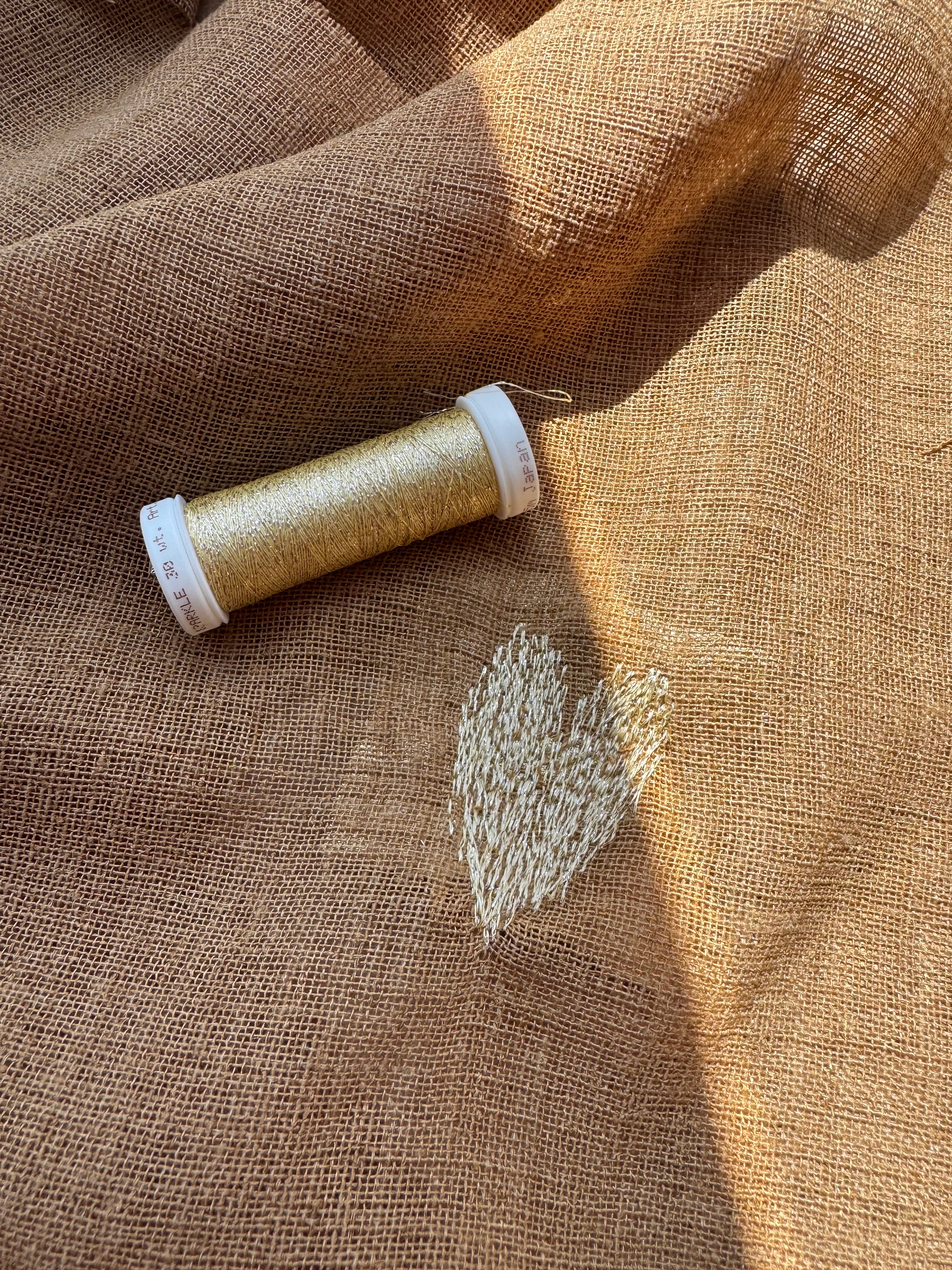
Match the repair to the damage: back and darn a small hole, resew an open seam, reinforce a thin area over a wider surface, and use the appropriate presser foot for a hem or zip. Test the fabric, needle and stitch in an inconspicuous place first.

| Damage | Suitable method | What to check |
|---|---|---|
| open but otherwise sound seam | sew along the original seam line | overlap and secure the seam ends |
| small hole | back it from behind and darn | do not sew only through frayed edges |
| thin or worn fabric | reinforce a larger area | create soft transitions without a hard edge |
| trousers too long or loose hem | remeasure and sew the hem | check the finished length before cutting |
| faulty zip | inspect the slider or replace the zip | identify which component has failed first |
Repairs can genuinely avoid new purchases. WRAP's Displacement Rates Untangled report gives an average displacement rate of 82.2% for the repair models studied. Its CO2e examples are modelled values for specific garments, not a blanket value for every repair.
Cut a matching patch with rounded corners that covers the entire weakened area. Place it behind the hole and secure it. From the right side, sew short rows forwards and backwards along the original grain. Matching thread keeps the repair discreet; contrasting or effect thread makes it intentionally visible.
On stretch fabrics, the patch and stitch must move with the garment. For small damage without sewing, a repair patch approved for the fabric may be useful. Always follow its care and application instructions.
For an intentionally visible repair, our patch tutorial shows how to make your own embroidered badge.


Try on the trousers with the shoes you intend to wear, pin the new length and measure both legs. Unpick only as much of the old hem as necessary. Use a suitable jeans needle for denim; a universal needle may suit light woven fabric. Sew slowly over thick seam intersections and keep the presser foot as level as possible.
To lengthen trousers, first check how much fabric is available in the hem allowance. Old fold or wear lines may remain visible after unpicking. When taking a garment in, blend the new side line smoothly into the existing seam.
Reinforce the whole threadbare area, not only the visible hole. A soft iron-on material can support it from the wrong side; a sewn fabric patch is an alternative. Test the heat, adhesive and handle in a hidden place, and round the reinforcement to avoid a hard stress edge.
A narrow hem foot rolls a fine hem, a zipper foot stitches close to the teeth, and a binding attachment guides suitable tape. The foot must match the machine, shank and task. Practise on a scrap first; a specialist foot does not replace accurate measuring, suitable thread or the correct needle.

Many repairs need only a precise seam ripper, suitable jeans and universal needles, reliable sewing thread and, optionally, an effect thread for visible mending. Choose specialist backings, patches and presser feet for the individual project rather than buying a generic set.
Professional help may be safer and ultimately less expensive for valuable fabrics, leather garments, coated performance clothing, severely damaged zips or alterations to lined garments. If you are unsure, do not begin unpicking until you understand the construction.
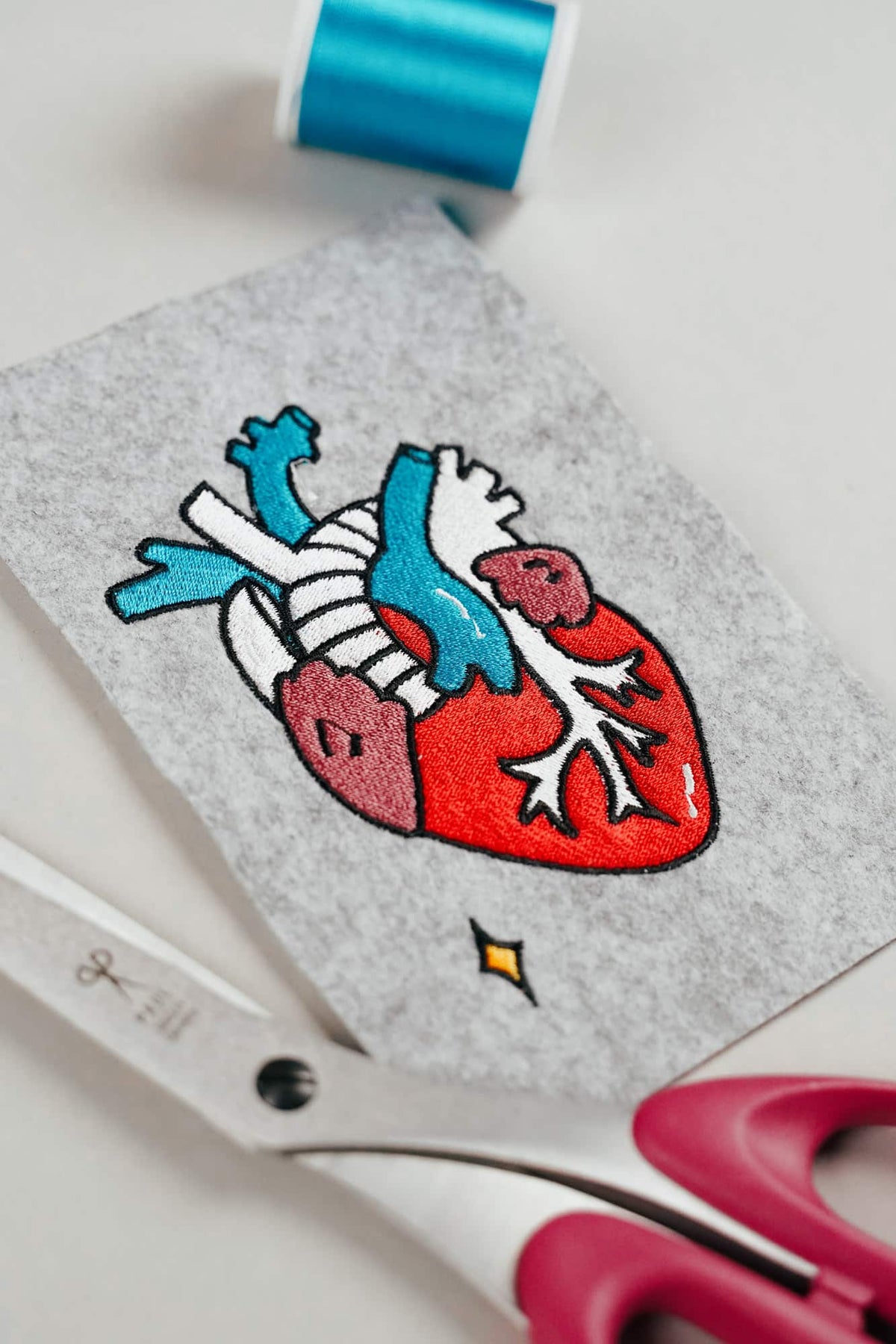
AI embroidery designs look great – but as embroidery files, they're often completely useless
AI images often look like perfect embroidery, but are frequently unsuitable as a template for a real embroidery file. We'll show you which mistakes to avoid with AI-generated motifs, how to formulate better prompts, and how to recognise well-digitised embroidery files.
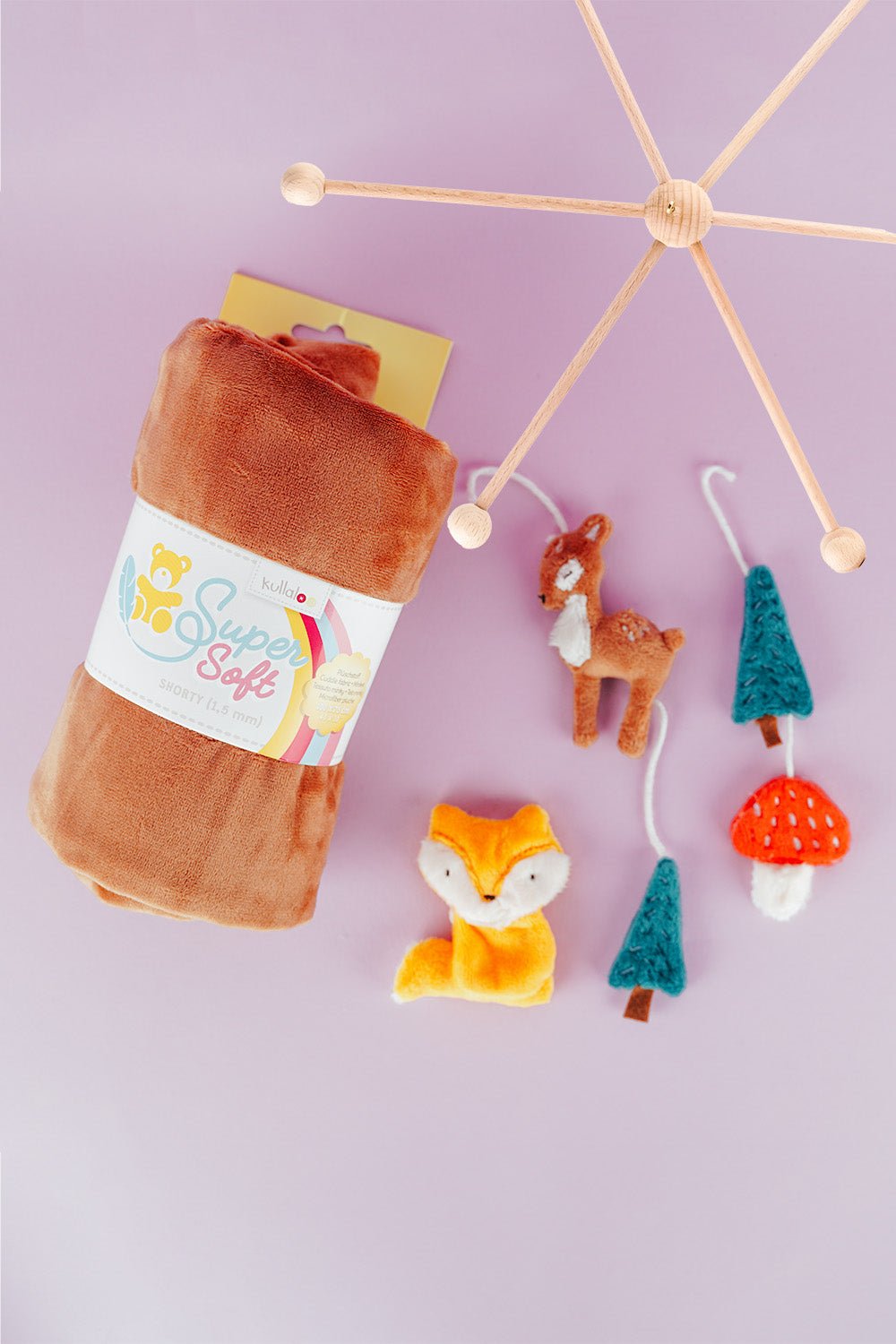
Embroider a woodland mobile: ITH ornaments step by step
Embroider fox, deer, fir tree and mushroom in a 10 × 10 cm hoop, then turn them into a woodland mobile or garland.
Read moreabout Embroider a woodland mobile: ITH ornaments step by step
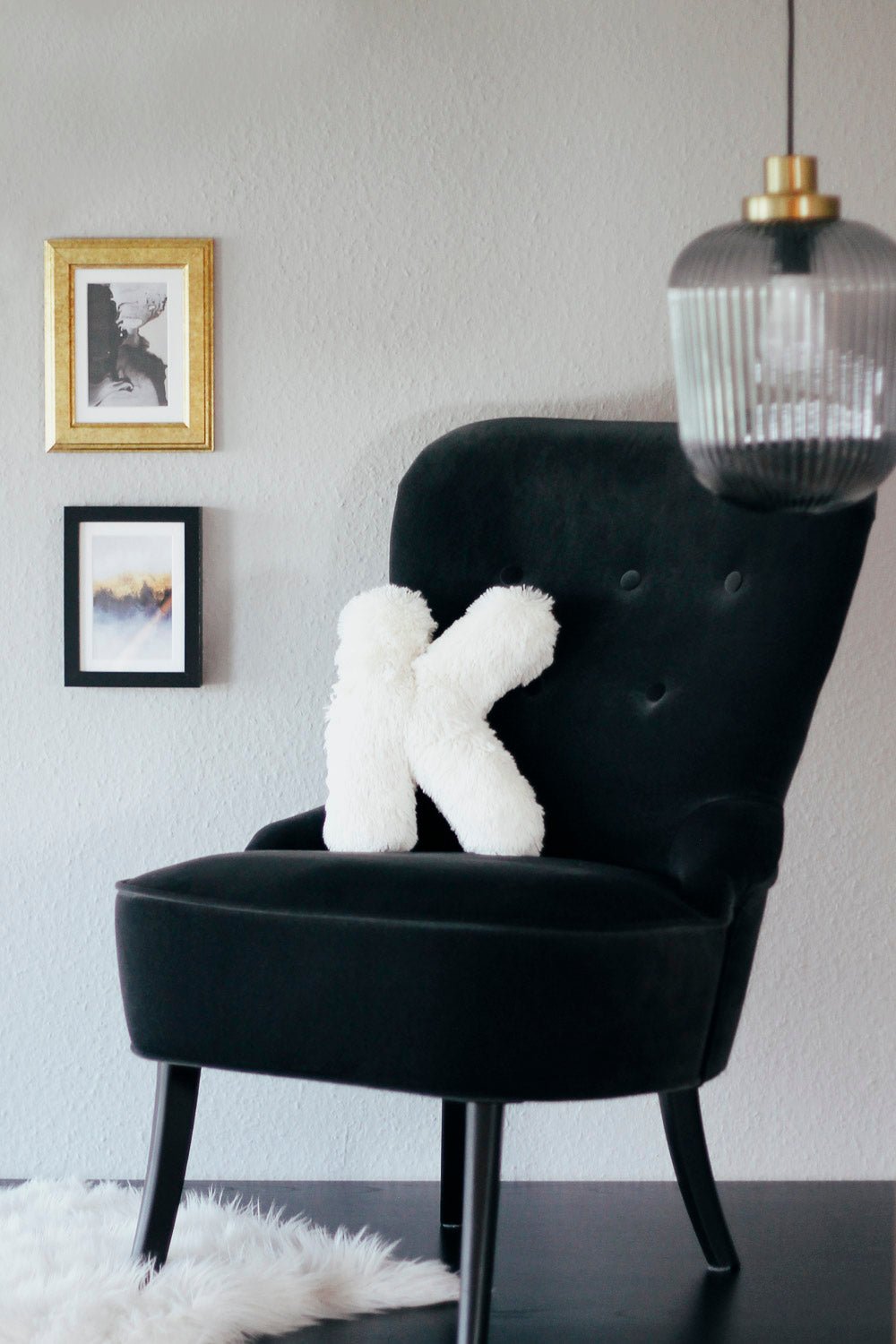
Sew an alphabet cushion: personal pillows from A to Z
Sew an alphabet cushion with neat curves, even filling and a hidden ladder stitch, using a digital pattern that includes every letter from A to Z.
Read moreabout Sew an alphabet cushion: personal pillows from A to Z
Split:
Summer Sewing Days at Make ma!
BERNINA in Hamburg: Specialist retailer with personal advice and experience
1 comment
Nicht nur eine Reparatur rettet. Meine Kollegin hatte mal ein ‘Lieblingspullover’ mit einem Fleck der leider auffällig war und sich nicht entfernen liess. Sie hat mich gefragt ob ich nicht eine Idee hätte. Da sie Katzenliebhaberin ist, hab ich ihr eine
Spur von Katzenpfötchen quer über den Pulli gestickt. Die konnte sich vor
Lachen nicht mehr einkriegen. Es wurde ihr absoluter Liebling und hatte noch lange etwas davon.
Gruss
Doris Teküs