

- 0 commentson Gaps in the embroidery file: causes and solutions
- by Mark Angilowski
Gaps in the embroidery file: causes and solutions
- 0 commentson Gaps in the embroidery file: causes and solutions
- by Mark Angilowski
If outline and fill are offset, a test stitch on stable material determines the next step: if the error changes with fabric or hooping, execution is the likely cause; if it repeats in exactly the same place, inspect the design. Keep the fabric smooth and stable without stretching it.
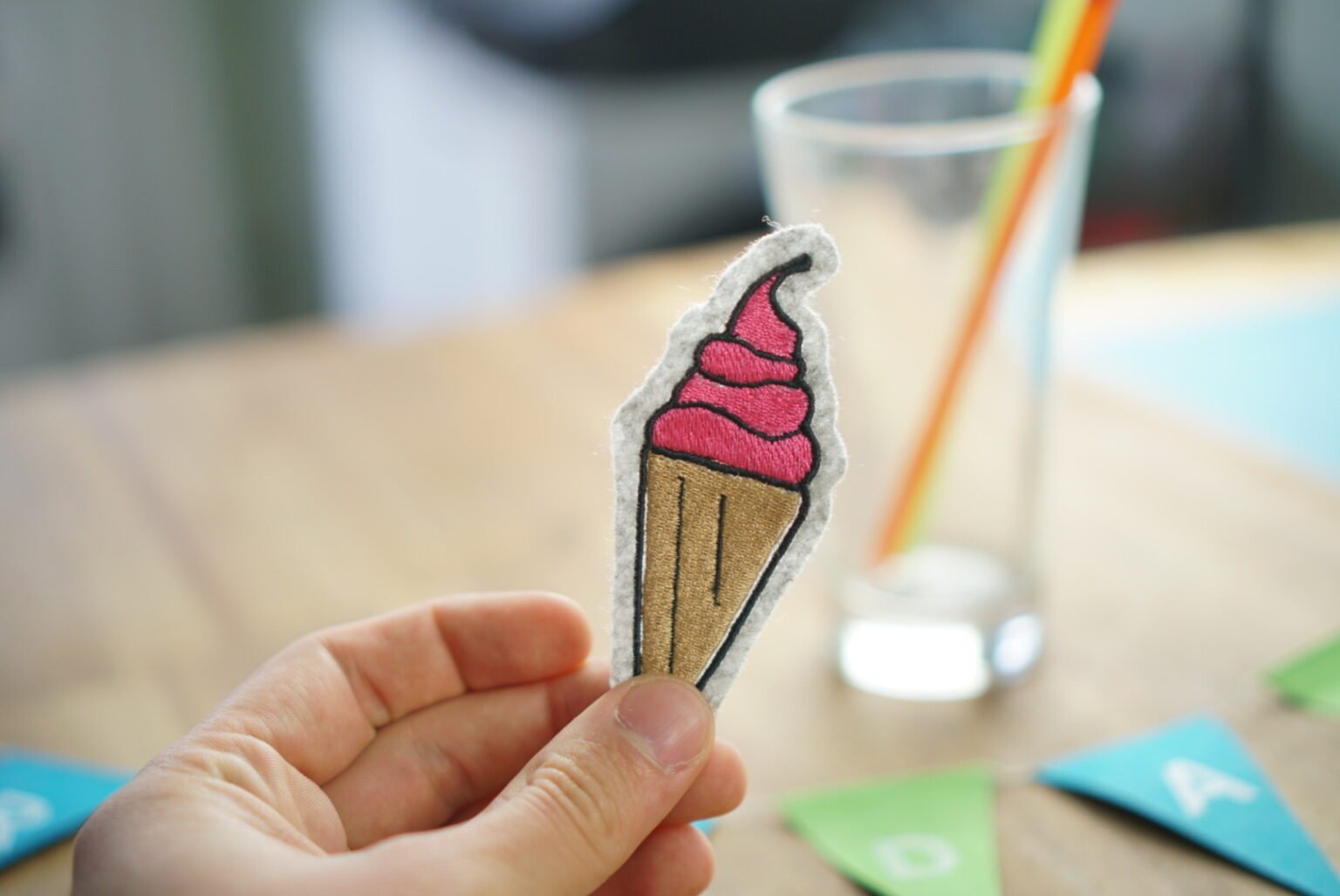
Kurzantwort: If outline and fill are offset, a test stitch on stable material determines the next step: if the error changes with fabric or hooping, execution is the likely cause; if it repeats in exactly the same place, inspect the design. Keep the fabric smooth and stable without stretching it.
The most common cause of gaps in the embroidery result is insufficiently stabilized fabric . With a lot of embroidery work, the fabric can easily warp during the stitching process. This causes outlines and solids to no longer match exactly.
A second, often overlooked cause lies in the embroidery file itself . Even if the preview appears correct, minimal deviations may become apparent in the software's technical preview. These lead to visible gaps during embroidery.
Insufficient stabilization is often the cause of gaps. Pay attention to the following points:
These measures ensure a stable embroidery image – even with complex motifs.
If the fabric stabilization is correct but gaps remain, the error is usually in the embroidery file. Here's how to identify and fix it:


This little trick is particularly useful for thin fabrics, high stitch density or many small borders.

Gaps between fill and outline suggest fabric movement or insufficient overlap. Thick corners often occur when satin segments meet unfavourably. Change one variable at a time and compare front and back.
For a changing offset, start with stabilisation and hooping. If the deviation repeats exactly, inspect overlap, stitch order and compensation; a new graphic needs careful digitising.
AI embroidery designs look great – but as embroidery files, they're often completely useless
AI images often look like perfect embroidery, but are frequently unsuitable as a template for a real embroidery file. We'll show you which mistakes to avoid with AI-generated motifs, how to formulate better prompts, and how to recognise well-digitised embroidery files.
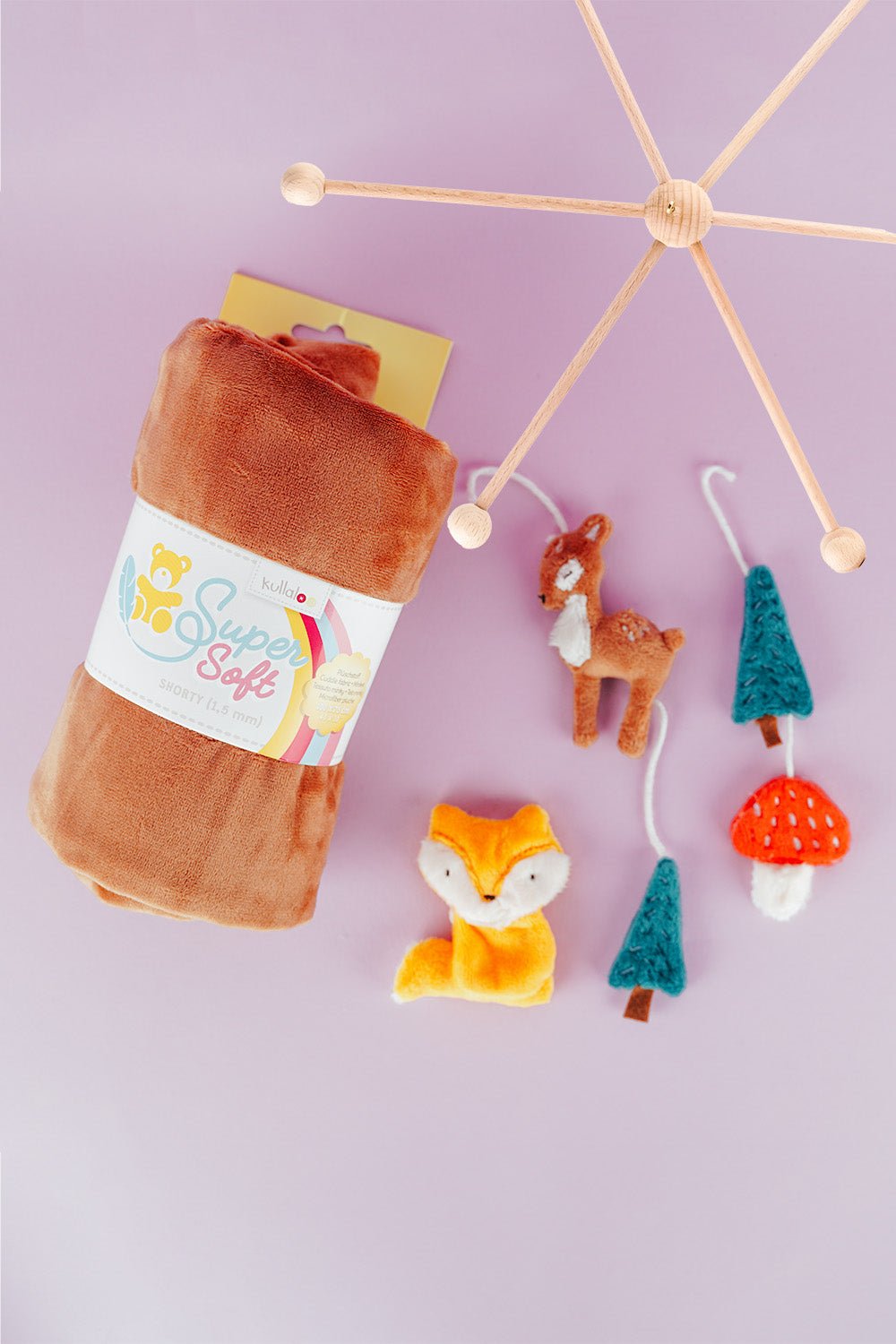
Embroider a woodland mobile: ITH ornaments step by step
Embroider fox, deer, fir tree and mushroom in a 10 × 10 cm hoop, then turn them into a woodland mobile or garland.
Read moreabout Embroider a woodland mobile: ITH ornaments step by step
Sew an alphabet cushion: personal pillows from A to Z
Sew an alphabet cushion with neat curves, even filling and a hidden ladder stitch, using a digital pattern that includes every letter from A to Z.
Read moreabout Sew an alphabet cushion: personal pillows from A to Z



Split:
Why does my embroidery machine display different colors?
Embroidery file is not displayed