

You really need this when you start sewing.
- 1 commenton You really need this when you start sewing.
- by Marit Warncke
What really matters, where you can save money, and what can backfire!
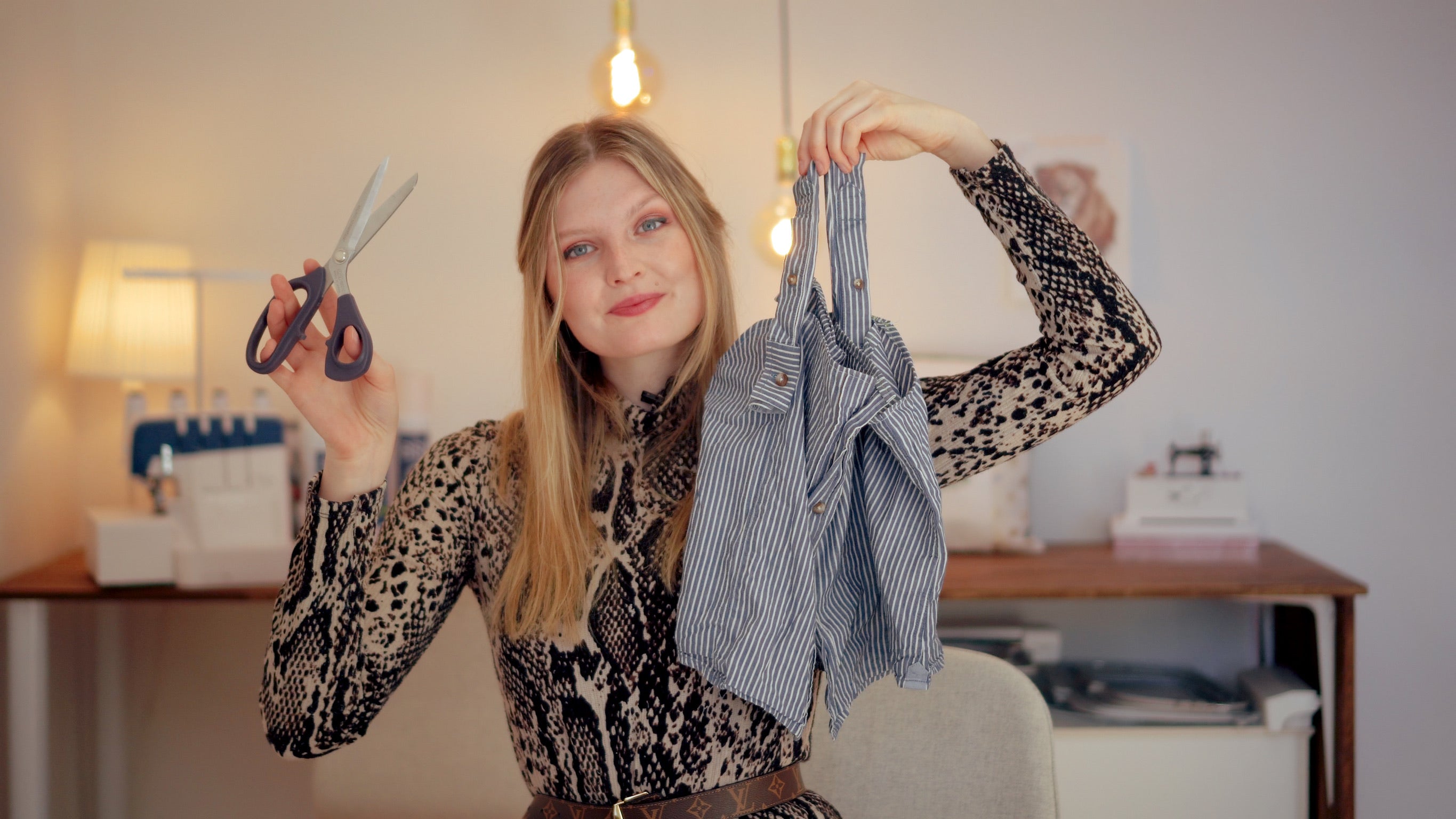
Anyone starting out with sewing quickly finds themselves in a world of "must-haves." Rotary cutter, scissors, special presser feet, five rulers, ten marking pens, another gadget for edges—and in the end, half your budget is sitting in a drawer, while your first seams are still proving difficult. The good news: You actually need surprisingly little for a clean start. But: There are three things where "cheap" will end up costing you more in the long run.
This article can serve as a priority list: What really matters, where you can save money – and where you should avoid saving.
When we have machines in the workshop that "seemingly break down," the problem is surprisingly often not the machine itself. It's the yarn. As soon as we use a high-quality yarn, many machines suddenly run perfectly again.
Why cheap yarn often causes problems:
What you should choose instead (everyday classics):
This ensures that you don't make sewing unnecessarily difficult for yourself.
Conclusion regarding yarn: This is one of two things where "saving" can quickly lead to "paying more" in the end.
Bobbins are always specifically made for sewing machines. Sometimes the same bobbins fit different manufacturers, but not every bobbin fits every machine.
But: That doesn't mean you necessarily have to buy the most expensive original coils – we also have affordable, suitable alternatives.
Conclusion regarding coils: Don't experiment. Buy ones that fit your machine.
Whether you're just starting out or currently trying to cut costs, you can get a little creative with your materials. Cheaper fabrics, like muslin, or discarded textiles are perfect for experimenting with new techniques. Upcycling is the key – giving old clothes a new life. I like to see it as a challenge: how far can my creativity go? Can I transform an existing garment into something completely different? A laptop bag made from old trousers, a dress from a scarf – these have often become my favorite pieces.
Conclusion regarding fabric: Creativity is often more valuable than premium fabric by the meter.
The great thing about this needle: what can seem complicated with bobbins is actually quite simple here – the same needles fit all standard sewing machines. You only need a more specialized needle for, for example, overlock or multi-needle embroidery machines.
However, a blunt or damaged needle is a common cause of poor stitch quality and can lead to thread problems.
Why cheap needles can often cause problems (and what we learned very clearly in training):
Conclusion regarding needles: "Saving" can cause big problems.
You can start without owning "the perfect pair of scissors." But sooner or later you'll realize how much fun good cutting is.
Conclusion regarding scissors: Not a priority at the start, a great upgrade later (also an ideal gift idea).
The following sewing gadgets are not essential – but they are a brilliant help! These items constantly end up on the table of most sewers.
This checklist will help you get started with sewing in a relaxed way, without getting distracted by a thousand "must-haves". You'll focus on quality where it really matters – and save money where practice and experience are more important than expensive accessories.

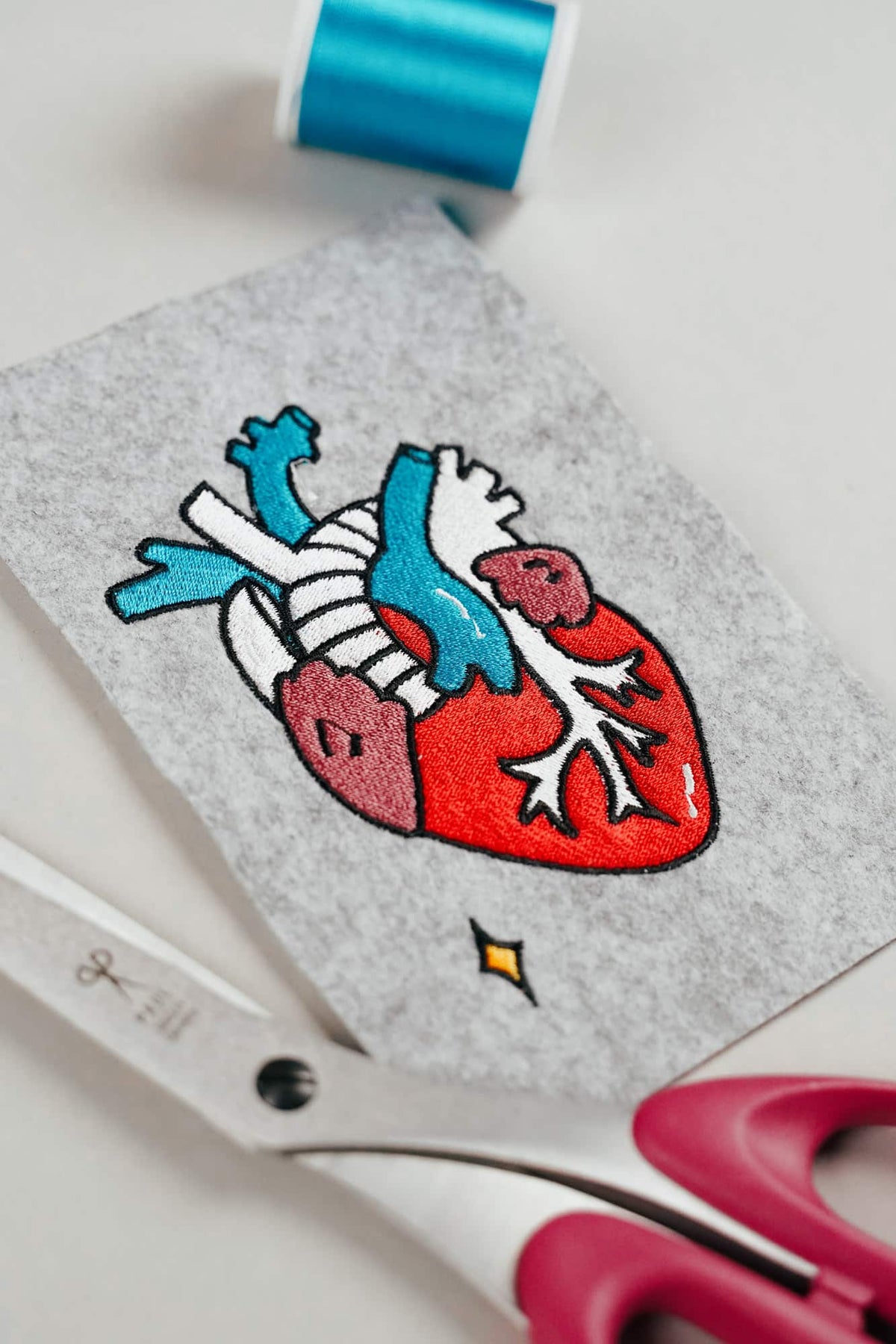
AI embroidery designs look great – but as embroidery files, they're often completely useless
AI images often look like perfect embroidery, but are frequently unsuitable as a template for a real embroidery file. We'll show you which mistakes to avoid with AI-generated motifs, how to formulate better prompts, and how to recognise well-digitised embroidery files.
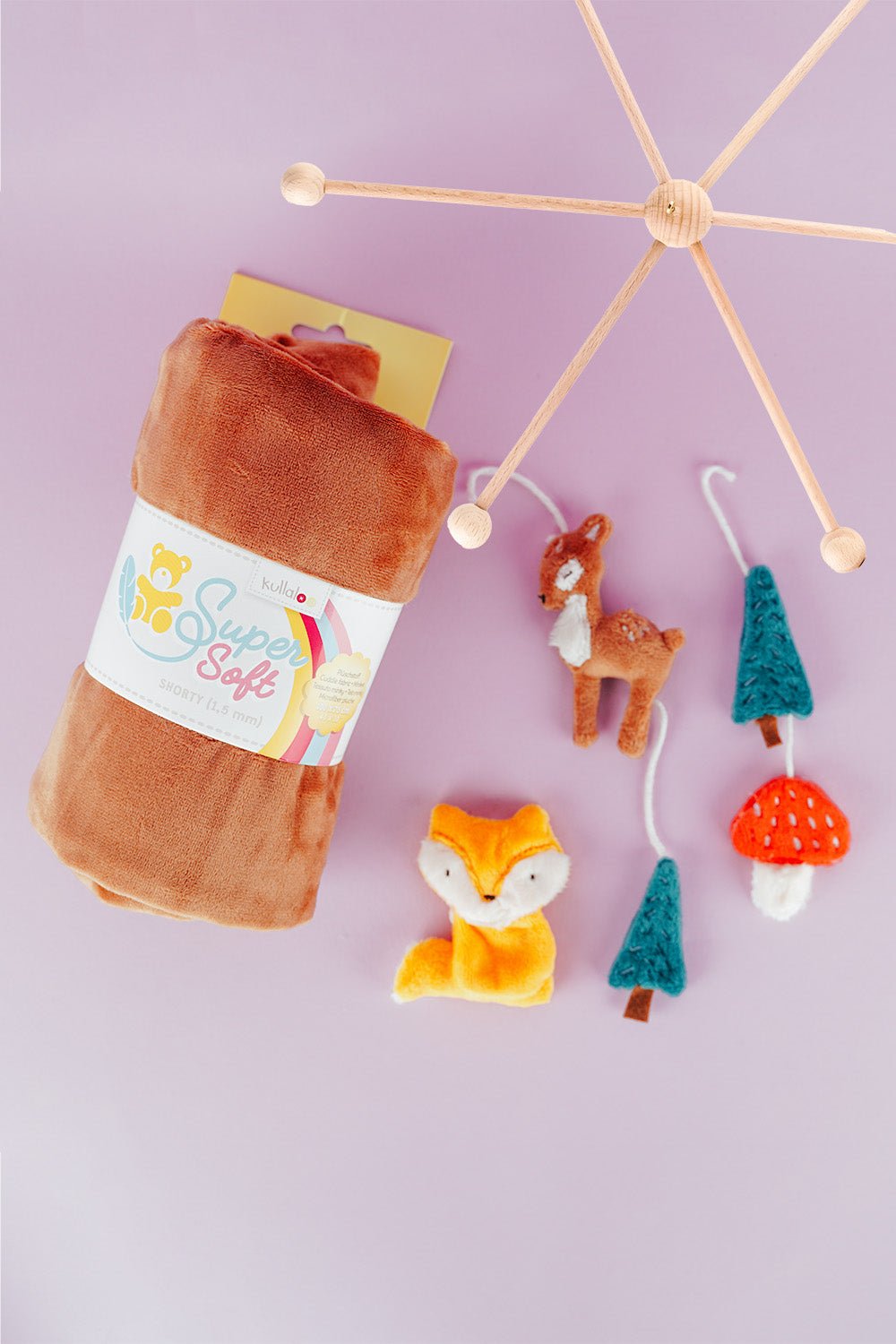
Embroider a woodland mobile: ITH ornaments step by step
Embroider fox, deer, fir tree and mushroom in a 10 × 10 cm hoop, then turn them into a woodland mobile or garland.
Read moreabout Embroider a woodland mobile: ITH ornaments step by step
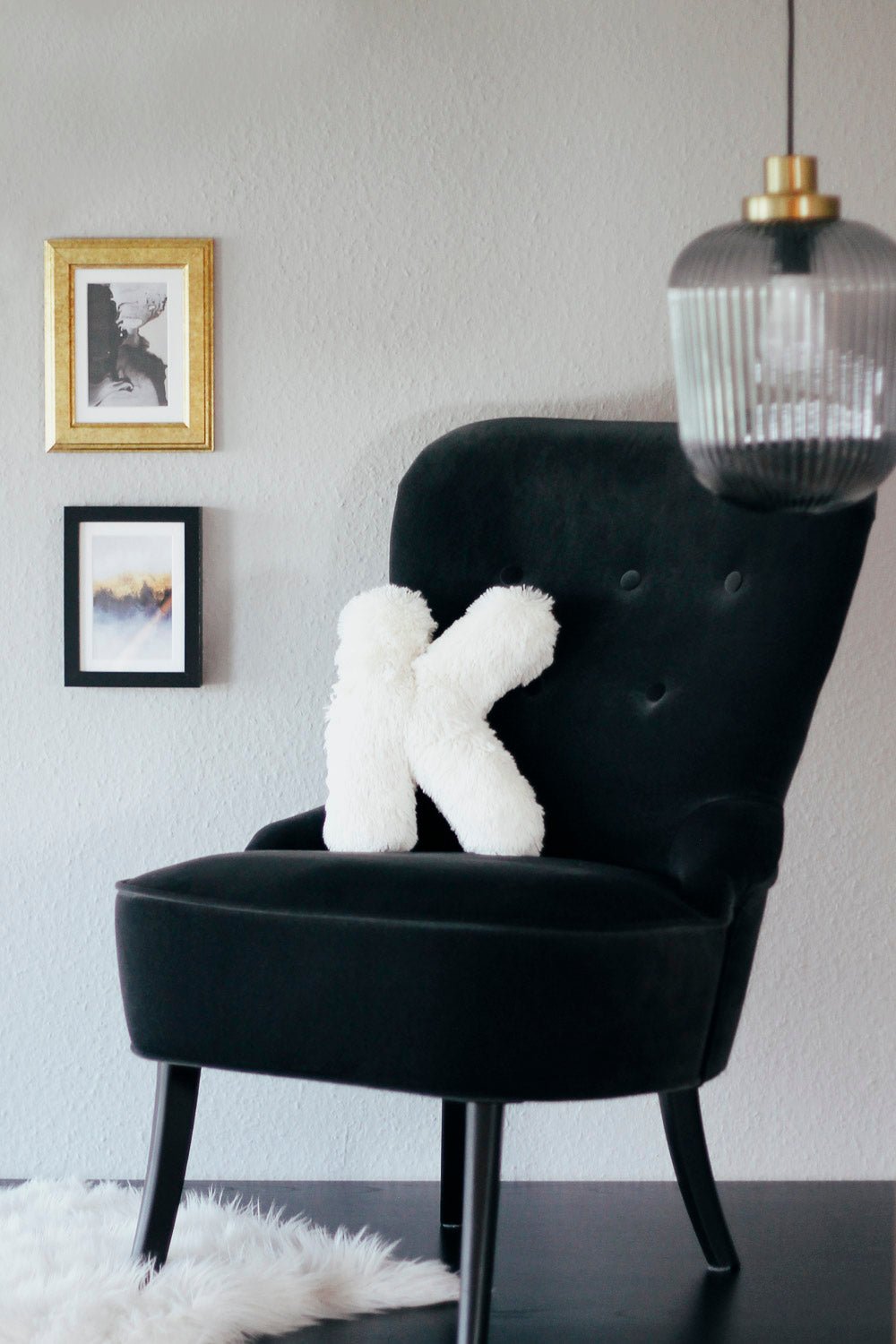
Sew an alphabet cushion: personal pillows from A to Z
Sew an alphabet cushion with neat curves, even filling and a hidden ladder stitch, using a digital pattern that includes every letter from A to Z.
Read moreabout Sew an alphabet cushion: personal pillows from A to Z


Split:
Creativate Essential, Extra or Elite – which version do you really need?
Dog keychain embroidered with an embroidery machine
1 comment
Klasse zusammengefasst- meine Frau näht und ich bin immer für die Technik dran, oder zum „Auspusten“…
Passt gut, was Ihr da schreibt!
VG aus dem Harz!