

- 0 commentson Rayon or polyester embroidery thread: a practical comparison
- by Mark Angilowski
Rayon or polyester embroidery thread: a practical comparison
- 0 commentson Rayon or polyester embroidery thread: a practical comparison
- by Mark Angilowski
Rayon and viscose describe the same fibre in embroidery thread. Viscose offers a soft, subtle sheen; polyester is especially useful for frequently washed or heavily used textiles.
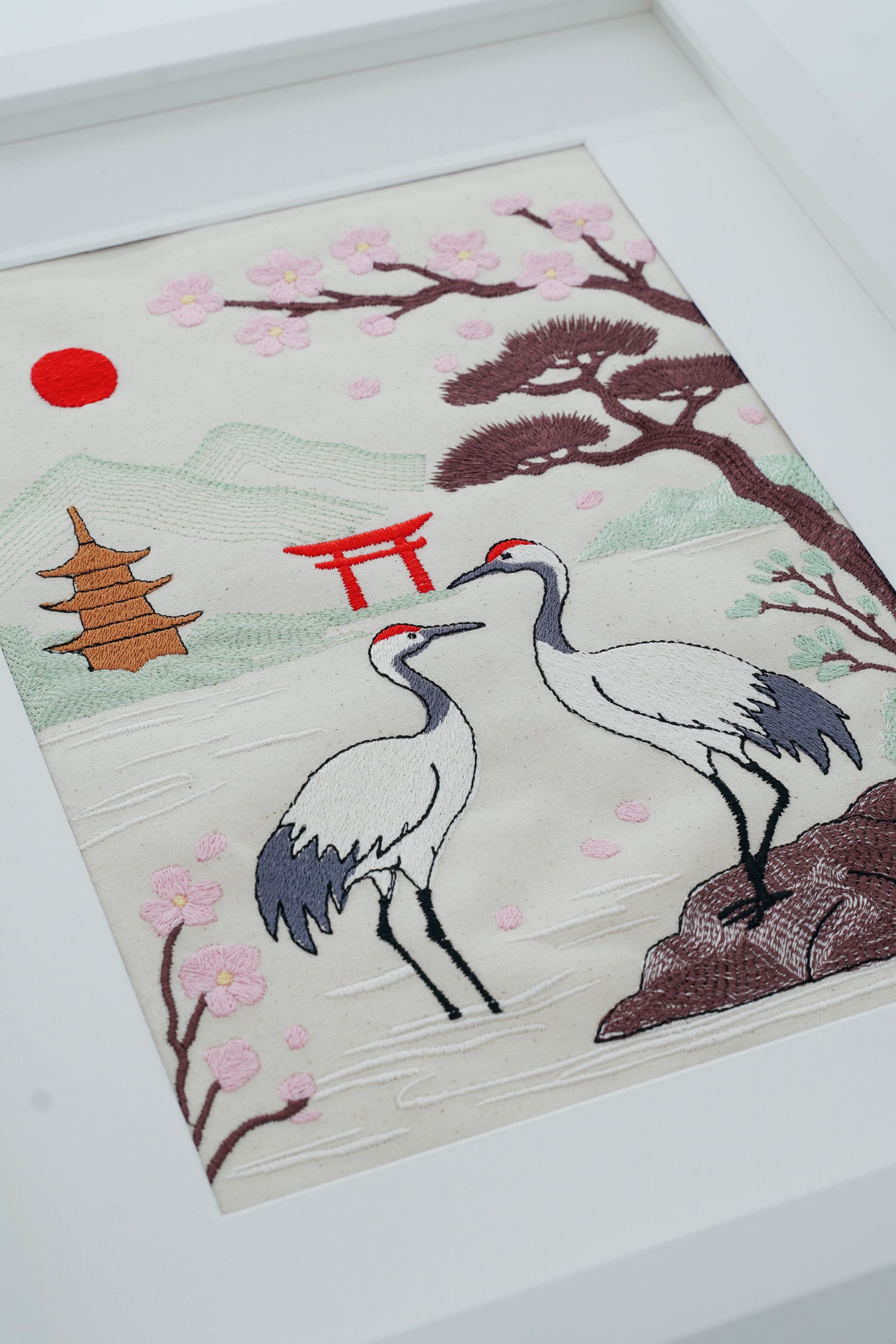
Rayon and viscose refer to the same fibre material in machine embroidery thread. Rayon/viscose has a soft, silky appearance; polyester thread is often the better match for workwear, outdoor textiles and items washed frequently or with stronger cleaning agents. Choose by project and care needs, not by a universal winner.
Regenerated cellulose fibre is commonly called rayon in English and viscose in many European markets. “Rayon 40” therefore usually means a standard-weight 40 viscose embroidery thread. The number indicates thread weight within this system: 60 is finer and 30 is thicker than 40.

| Criterion | Rayon/viscose | Polyester |
|---|---|---|
| appearance | soft, subtle, silky sheen | clearer, stronger sheen; some ranges are matt |
| feel | soft and flexible | slightly firmer and more robust |
| typical uses | fashion, home textiles, decorative and detailed designs | workwear, bags, sports, outdoor and frequently cleaned textiles |
| care | standard washing; bleach only when explicitly approved | depending on the product, often more resistant to chemicals and heavy use |
| weight 40 | often usable with the same needle and digitising for standard designs | often usable with the same needle and digitising for standard designs |
These are typical properties, not a guarantee for every brand and colour. Madeira, for example, specifies different care properties for Classic viscose and Polyneon polyester. The label for the exact thread range remains decisive.

Rayon/viscose is particularly suitable when light reflection, a soft feel and an elegant surface matter. Satin areas, fine fashion details and decorative home textiles often benefit from its subtle sheen. High-quality rayon can also produce very clear dense or detailed designs.
Do not choose rayon as the “more sustainable” option based only on its cellulose origin. Raw material, production, certification, service life and care all belong in the assessment.
Polyester often suits textiles subject to greater mechanical or chemical stress. Examples include bags, caps, children's wear, sportswear, workwear and some outdoor projects. For industrial laundering or bleaching, the specific thread range must be explicitly approved; “polyester” alone is not a care guarantee.

Rayon often suits a glossy monogram on a blouse. An approved polyester range may make more sense for a frequently washed company logo. Prices vary by brand, running length, spool size and set, so “polyester is cheaper” is not a reliable general rule.
If you want to embroider leather or faux leather, combine your thread choice with our guide to needles, backing and designs for leather. The following three sets represent different uses rather than a ranking.
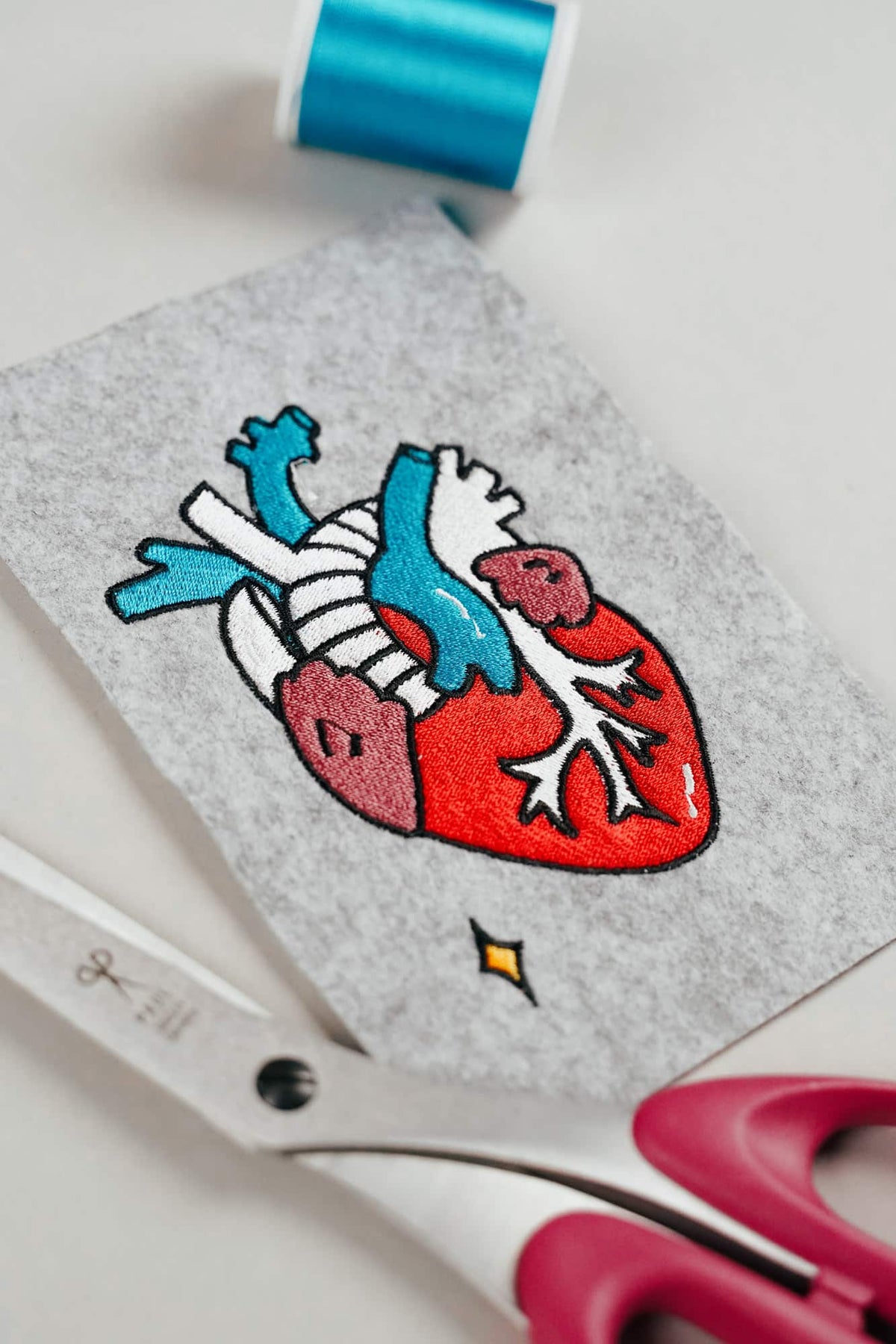
AI embroidery designs look great – but as embroidery files, they're often completely useless
AI images often look like perfect embroidery, but are frequently unsuitable as a template for a real embroidery file. We'll show you which mistakes to avoid with AI-generated motifs, how to formulate better prompts, and how to recognise well-digitised embroidery files.
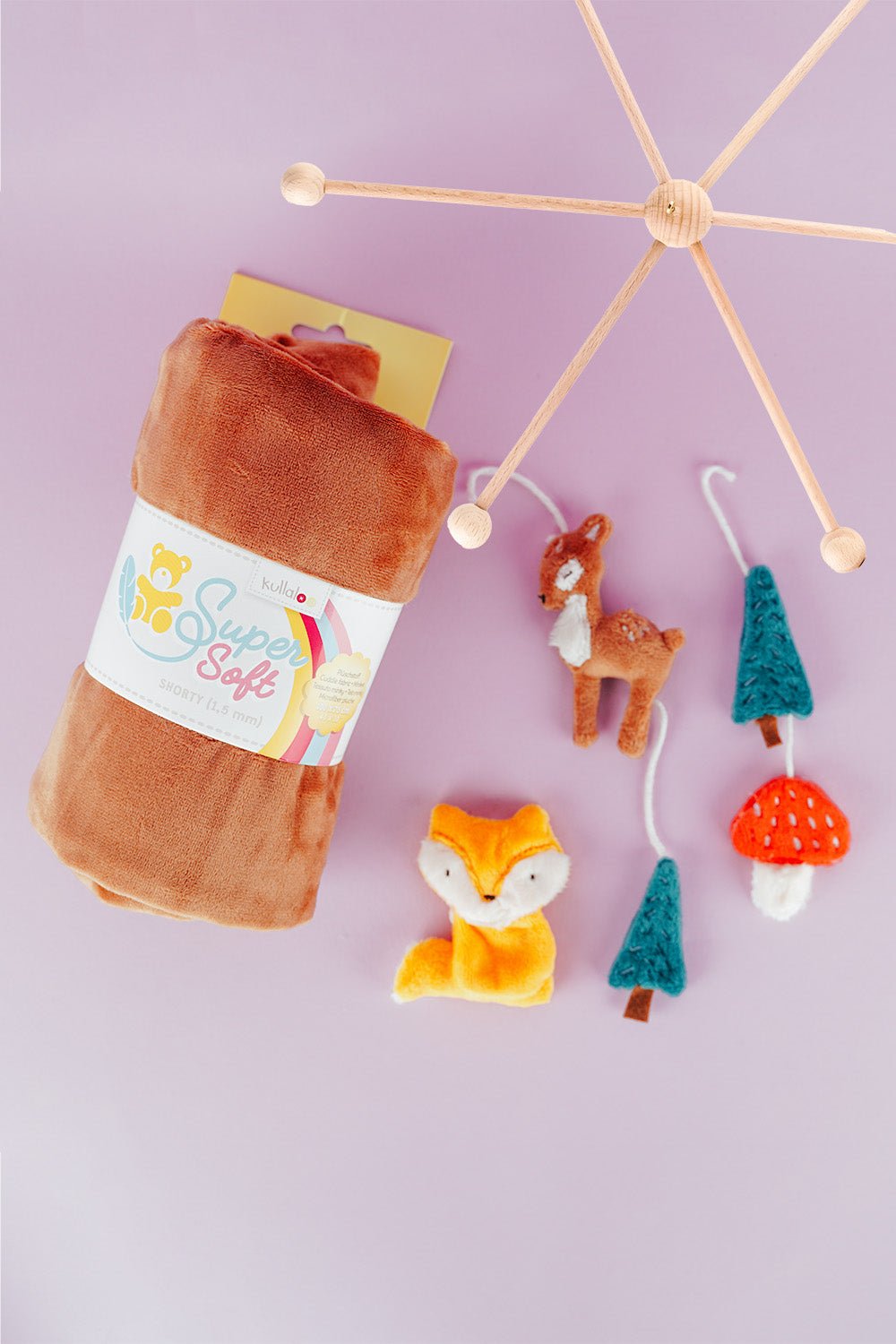
Embroider a woodland mobile: ITH ornaments step by step
Embroider fox, deer, fir tree and mushroom in a 10 × 10 cm hoop, then turn them into a woodland mobile or garland.
Read moreabout Embroider a woodland mobile: ITH ornaments step by step
Sew an alphabet cushion: personal pillows from A to Z
Sew an alphabet cushion with neat curves, even filling and a hidden ladder stitch, using a digital pattern that includes every letter from A to Z.
Read moreabout Sew an alphabet cushion: personal pillows from A to Z

Split:
Brother Innov-is F580 review: sewing and embroidery tested
Creativate Essential, Extra or Elite – which version do you really need?