

Even feed foot, walking foot, and a little "helper"? These tips are a lifesaver when sewing vinyl or faux leather!
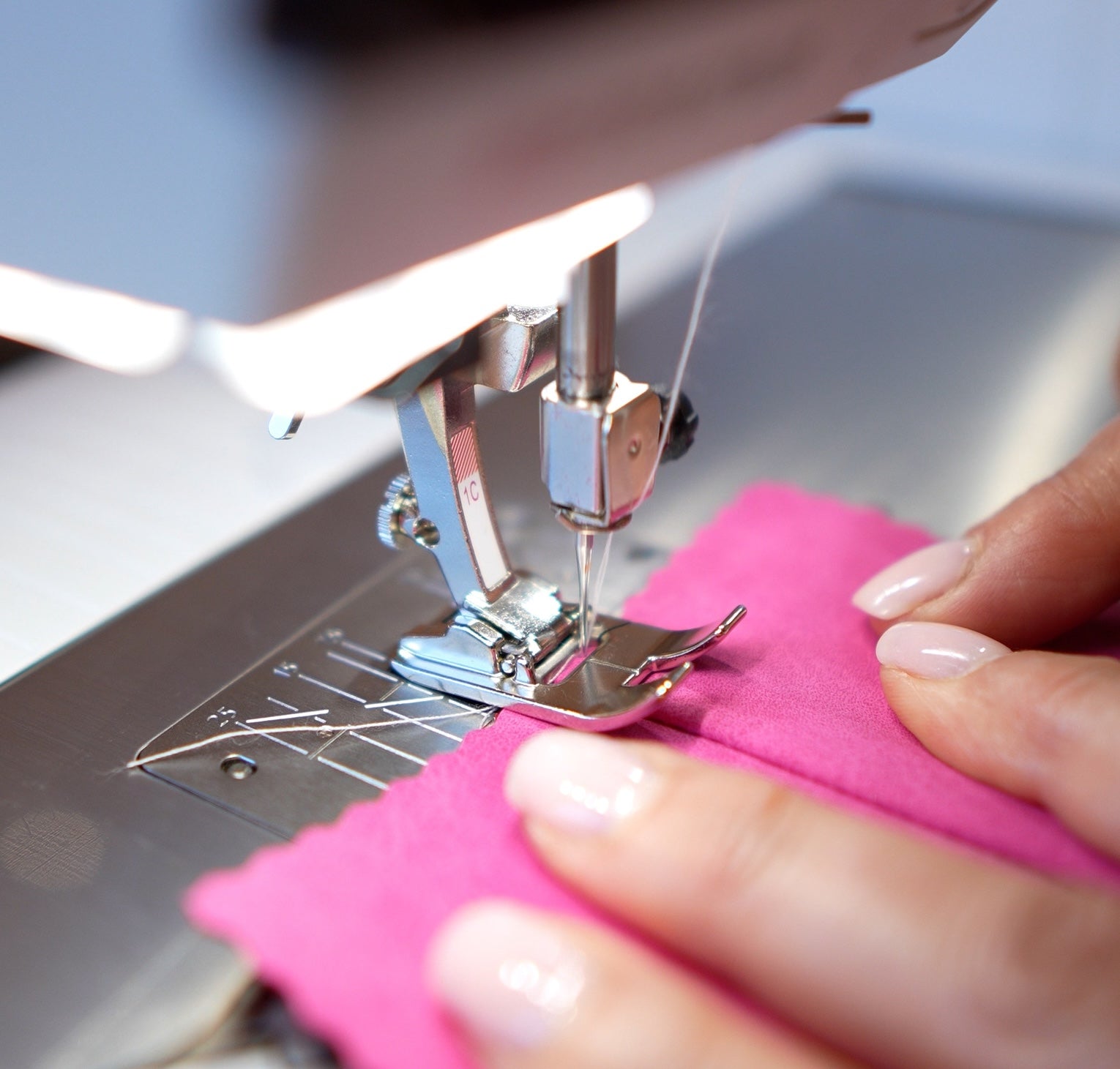
The best settings and accessory tips for even seams on vinyl, faux leather, and coated fabrics
When your sewing machine suddenly stops working on faux leather
Faux leather, vinyl and coated fabrics look high-quality, are robust and are ideal for bags, accessories, clothing or home projects. When sewing, however, they present a typical challenge: the surface sticks to the normal metal presser foot. This prevents the material from being fed evenly. Instead, the fabric bunches up in front of the foot, the sewing machine seems to sew in place or the stitches become too small and irregular. Especially at the beginning of a seam, this can quickly lead to thread jams when sewing. The problem is usually not the machine itself, but the friction between the sticky surface and the presser foot.
With the right settings and a few targeted tricks, a stubborn material can be transformed into a fabric that can be processed with surprising precision.

Perfect seams on faux leather and vinyl can be achieved with the right presser foot.
1. Reduce presser foot pressure
The first thing to look at is the presser foot pressure. Many sewing machines offer the option of adjusting the presser foot pressure. For faux leather or vinyl, too much pressure can cause the foot to press harder on the surface, making it stick even more.
Therefore, slightly reduce the presser foot pressure and test the setting on a scrap piece. The goal is for the fabric to still be guided securely, but for the presser foot to no longer stick to the surface. Especially with thicker materials or multiple layers, lower pressure can significantly improve fabric feeding.
Important: Not every sewing machine has an adjustable presser foot pressure. A look at the operating manual will quickly show you whether your machine offers this function.
2. Use a Teflon foot or gliding foot
A Teflon foot, often also called a gliding foot or non-stick foot, is one of the simplest solutions for sewing faux leather. Its underside is specially coated and therefore glides more easily over materials that a normal metal foot would stick to.
This makes it particularly suitable for vinyl, faux leather, oilcloth, plastic, coated fabrics or leather. The fabric is fed more evenly, the stitches remain cleaner and the material bunches up less in front of the foot.
Suitable versions are available for BERNINA, Brother and PFAFF, among others.
{"layoutMobile":2,"layoutDesktop":3,"buttonAlign":"Center","buttonText":"Zum Produkt","productTitle":{"hue":213,"saturation":0,"brightness":0,"alpha":1},"priceColor":{"hue":0,"saturation":1,"brightness":0},"discountPrice":{"hue":356,"saturation":0.74,"brightness":1},"buttonColor":{"hue":213,"saturation":0,"brightness":0,"alpha":1},"textBottomColor":{"hue":0,"saturation":0,"brightness":1},"activeTitleButton":false,"moreProduct":"View all","moreProductUrl":"makema.de","rowNumber":1,"dynamicProductId":[{"id":"gid://shopify/Product/14991527379319","title":"Brother Anti-Haft-Fuß","handle":"brother-anti-haft-fuss","currencyCode":"EUR","amountMax":"15.0","amountMin":"15.0","price":"15.00","compareAtPrice":"16.95","imagesUrl":"https://cdn.shopify.com/s/files/1/0919/2954/3031/files/F007N-brother-Anti-Haft-Fuss.jpg?v=1750951259&width=600","additionalImages":["https://cdn.shopify.com/s/files/1/0919/2954/3031/files/F007N-brother-Anti-Haft-Fuss-01.jpg?v=1750951259&width=600"],"urlStore":"/products/brother-anti-haft-fuss","altImage":"Brother Anti-Haft-Fuß"},{"id":"gid://shopify/Product/14991485272439","title":"PFAFF Spezialgleitsohle für IDT-System J K L","handle":"pfaff-spezialgleitsohle-fuer-idt-system-jkl","currencyCode":"EUR","amountMax":"28.9","amountMin":"28.9","price":"28.90","compareAtPrice":"39.99","imagesUrl":"https://cdn.shopify.com/s/files/1/0919/2954/3031/files/820664096_PFAFF-Naehfuss-Spezialgleitsohle-IDT-System-01.jpg?v=1750951422&width=600","additionalImages":["https://cdn.shopify.com/s/files/1/0919/2954/3031/files/820664096_PFAFF_Spezialgleitsohle.jpg?v=1750951422&width=600","https://cdn.shopify.com/s/files/1/0919/2954/3031/files/820664096_PFAFF-Naehfuss-Spezialgleitsohle-IDT-System-02.jpg?v=1750951422&width=600"],"urlStore":"/products/pfaff-spezialgleitsohle-fuer-idt-system-jkl","altImage":"PFAFF Spezialgleitsohle für IDT-System (JKL)"},{"id":"gid://shopify/Product/15316957495671","title":"BERNINA Zickzack-Nähfuß mit Gleitsohle #52","handle":"bernina-zickzack-nahfuss-mit-gleitsohle-52","currencyCode":"EUR","amountMax":"37.9","amountMin":"37.9","price":"37.90","compareAtPrice":"45.90","imagesUrl":"https://cdn.shopify.com/s/files/1/0919/2954/3031/files/bernina-_52-zickzack-naehfuss-mit-gleitsohle-0084777400-01.jpg?v=1768307794&width=600","additionalImages":["https://cdn.shopify.com/s/files/1/0919/2954/3031/files/bernina-_52-zickzack-naehfuss-mit-gleitsohle-0084777400-02.jpg?v=1768307793&width=600","https://cdn.shopify.com/s/files/1/0919/2954/3031/files/bernina-_52-zickzack-naehfuss-mit-gleitsohle-0084777400-03.jpg?v=1768307793&width=600"],"urlStore":"/products/bernina-zickzack-nahfuss-mit-gleitsohle-52","altImage":""},{"id":"gid://shopify/Product/15325715366263","title":"bernette Zickzack-Nähfuß mit Gleitsohle b77 / b79","handle":"bernette-zickzack-nahfuss-mit-gleitsohle-b77-b79","currencyCode":"EUR","amountMax":"19.9","amountMin":"19.9","price":"19.90","compareAtPrice":"24.90","imagesUrl":"https://cdn.shopify.com/s/files/1/0919/2954/3031/files/bernette-zickzack-naehfuss-mit-gleitsohle-b77-b79-5020209304-7630043520826-01.jpg?v=1768307463&width=600","additionalImages":["https://cdn.shopify.com/s/files/1/0919/2954/3031/files/bernette-zickzack-naehfuss-mit-gleitsohle-b77-b79-5020209304-7630043520826-02.jpg?v=1768307463&width=600"],"urlStore":"/products/bernette-zickzack-nahfuss-mit-gleitsohle-b77-b79","altImage":""},{"id":"gid://shopify/Product/14991468855671","title":"bernette Nähfußset","handle":"naehfussset-fuer-bernette-b77-b79","currencyCode":"EUR","amountMax":"85.9","amountMin":"85.9","price":"85.90","compareAtPrice":"95.00","imagesUrl":"https://cdn.shopify.com/s/files/1/0919/2954/3031/files/neue-produkte-04.jpg?v=1750951464&width=600","additionalImages":["https://cdn.shopify.com/s/files/1/0919/2954/3031/files/neue-produkte-06.jpg?v=1750951464&width=600","https://cdn.shopify.com/s/files/1/0919/2954/3031/files/neue-produkte-05.jpg?v=1750951464&width=600"],"urlStore":"/products/naehfussset-fuer-bernette-b77-b79","altImage":"Nähfußset für bernette b77 und b79"},{"id":"gid://shopify/Product/14991527379319","title":"Brother Anti-Haft-Fuß","handle":"brother-anti-haft-fuss","currencyCode":"EUR","amountMax":"15.0","amountMin":"15.0","price":"15.00","compareAtPrice":"16.95","imagesUrl":"https://cdn.shopify.com/s/files/1/0919/2954/3031/files/F007N-brother-Anti-Haft-Fuss.jpg?v=1750951259&width=600","additionalImages":["https://cdn.shopify.com/s/files/1/0919/2954/3031/files/F007N-brother-Anti-Haft-Fuss-01.jpg?v=1750951259&width=600"],"urlStore":"/products/brother-anti-haft-fuss","altImage":"Brother Anti-Haft-Fuß"}],"typeSearch":"product","device":"desktop","decimalsPrice":2,"aspectRatio":"3 / 4","isAutoPlay":false,"isNavigation":false,"isPriceDisplay":false,"rowDynamic":"mot","activeDecimals":false,"positionPrice":true,"currencyCodeCustom":"$","cssContent":"","componentId":"DynamicProduct-hq5II3fiCl0P","type":"DynamicProduct","activeDynamicProd":true,"hidden":false,"locked":false,"blockName":"Product copy"}


3. Insider Tip: Walking Foot Instead of Gliding Foot
If a Teflon foot or gliding foot is not enough – meaning the stitches on vinyl or artificial leather are still not perfect – then the real insider tip comes into play: a walking foot, also called an even feed foot.
While the normal feeder works underneath the fabric, a walking foot additionally moves the material from above. This means the fabric is not only pushed under the foot but also carried along in a controlled manner. Especially with sticky surfaces like artificial leather, vinyl, or PVC, this prevents the material from bunching up or running unevenly.
A walking foot can be the better choice, especially for longer seams, multiple layers, or topstitching. The even feed foot repeatedly grips the fabric, lifts it slightly, and transports it further together with the lower feeder. This results in more even seams and less distortion.
For difficult surfaces, the rule of thumb is often: First check the presser foot pressure, then try a gliding foot – and if the feed is still uneven, switch to a walking foot. If your machine already includes an integrated upper feed, this special foot is, of course, unnecessary.
{"layoutMobile":2,"layoutDesktop":3,"buttonAlign":"Center","buttonText":"Zum Produkt","productTitle":{"hue":0,"saturation":0,"brightness":0,"alpha":1},"priceColor":{"hue":0,"saturation":1,"brightness":0},"discountPrice":{"hue":356,"saturation":0.74,"brightness":1},"buttonColor":{"hue":0,"saturation":0,"brightness":0,"alpha":1},"textBottomColor":{"hue":0,"saturation":0,"brightness":1},"activeTitleButton":false,"moreProduct":"","moreProductUrl":"makema.de","rowNumber":1,"dynamicProductId":[{"id":"gid://shopify/Product/14991424848247","title":"Husqvarna VIKING Ausgleichsplatte","handle":"ausgleichsplatte","currencyCode":"EUR","amountMax":"2.9","amountMin":"2.9","price":"2.90","compareAtPrice":"12.99","imagesUrl":"https://cdn.shopify.com/s/files/1/0919/2954/3031/files/413105601-husqvarna-viking-ausgleichsplatte-1.jpg?v=1750951551&width=600","additionalImages":["https://cdn.shopify.com/s/files/1/0919/2954/3031/files/413105601-husqvarna-viking-ausgleichsplatte-3.jpg?v=1750951551&width=600","https://cdn.shopify.com/s/files/1/0919/2954/3031/files/413105601-husqvarna-viking-ausgleichsplatte-2.jpg?v=1750951552&width=600","https://cdn.shopify.com/s/files/1/0919/2954/3031/files/ausgleichsplatte.svg?v=1750951552&width=600","https://cdn.shopify.com/s/files/1/0919/2954/3031/files/HV_Ausgleichsplatte_413105601.jpg?v=1750951552&width=600"],"urlStore":"/products/ausgleichsplatte","altImage":"Husqvarna VIKING Ausgleichsplatte"},{"id":"gid://shopify/Product/14991527444855","title":"Brother Stoffobertransport 7 mm","handle":"brother-stoffobertransport","currencyCode":"EUR","amountMax":"42.0","amountMin":"42.0","price":"42.00","compareAtPrice":"46.95","imagesUrl":"https://cdn.shopify.com/s/files/1/0919/2954/3031/files/f033n-brother-Stoffobertransport-7mm-1.jpg?v=1750951259&width=600","additionalImages":["https://cdn.shopify.com/s/files/1/0919/2954/3031/files/f033n-brother-Stoffobertransport-7mm-01.jpg?v=1750951259&width=600"],"urlStore":"/products/brother-stoffobertransport","altImage":"Brother Stoffobertransport 7mm"},{"id":"gid://shopify/Product/14991527641463","title":"Brother Dynamischer Stoffobertransport (Set)","handle":"brother-dynamischer-stoffobertransport","currencyCode":"EUR","amountMax":"80.0","amountMin":"80.0","price":"80.00","compareAtPrice":"89.00","imagesUrl":"https://cdn.shopify.com/s/files/1/0919/2954/3031/files/F085-brother-dynamischer-stoffobertransport-01.jpg?v=1750951257&width=600","additionalImages":["https://cdn.shopify.com/s/files/1/0919/2954/3031/files/F085-brother-dynamischer-stoffobertransport-02.jpg?v=1750951257&width=600"],"urlStore":"/products/brother-dynamischer-stoffobertransport","altImage":"Brother Dynamischer Stoffobertransport (Set)"},{"id":"gid://shopify/Product/15316978106743","title":"BERNINA Obertransportfuß #50","handle":"bernina-obertransportfuss-50","currencyCode":"EUR","amountMax":"149.9","amountMin":"149.9","price":"149.90","compareAtPrice":"169.90","imagesUrl":"https://cdn.shopify.com/s/files/1/0919/2954/3031/files/bernina-oberstofftransport-_50-mit-drei-wechselsohlen-und-kantenlineal-0089697300-02.jpg?v=1768307764&width=600","additionalImages":["https://cdn.shopify.com/s/files/1/0919/2954/3031/files/bernina-oberstofftransport-_50-mit-drei-wechselsohlen-und-kantenlineal-0089697300-01.jpg?v=1768307764&width=600","https://cdn.shopify.com/s/files/1/0919/2954/3031/files/bernina-oberstofftransport-_50-mit-drei-wechselsohlen-und-kantenlineal-0089697300-03.jpg?v=1768307757&width=600"],"urlStore":"/products/bernina-obertransportfuss-50","altImage":""},{"id":"gid://shopify/Product/14991378579831","title":"Obertransportfuß (VERITAS Florence)","handle":"obertransportfuss-veritas-florence","currencyCode":"EUR","amountMax":"29.9","amountMin":"29.9","price":"29.90","compareAtPrice":null,"imagesUrl":"https://cdn.shopify.com/s/files/1/0919/2954/3031/files/veritas-florence-oberstofftransport-zubehoer-makema-5.jpg?v=1750951628&width=600","additionalImages":["https://cdn.shopify.com/s/files/1/0919/2954/3031/files/veritas-florence-oberstofftransport-zubehoer-makema-1.jpg?v=1759414955&width=600","https://cdn.shopify.com/s/files/1/0919/2954/3031/files/veritas-florence-oberstofftransport-zubehoer-makema-2.jpg?v=1750951628&width=600","https://cdn.shopify.com/s/files/1/0919/2954/3031/files/veritas-florence-oberstofftransport-zubehoer-makema-4.jpg?v=1750951628&width=600","https://cdn.shopify.com/s/files/1/0919/2954/3031/files/veritas-florence-oberstofftransport-zubehoer-makema-3.jpg?v=1750951628&width=600"],"urlStore":"/products/obertransportfuss-veritas-florence","altImage":"Oberstofftransporteur für die Veritas Florence (Zubehör)"}],"typeSearch":"product","device":"desktop","decimalsPrice":2,"aspectRatio":"3 / 4","isAutoPlay":false,"isNavigation":false,"isPriceDisplay":false,"rowDynamic":"mot","activeDecimals":false,"positionPrice":true,"currencyCodeCustom":"$","cssContent":"","componentId":"undefined","activeDynamicProd":true,"hidden":false,"locked":false,"blockName":"Product"}


4. Pro Tip for beautiful seam starts: The "midwife"
Especially with thicker layers of fabric, thread tangles often occur right at the beginning of sewing. The reason: The presser foot is angled because it starts on a thicker fabric edge. It no longer rests evenly on the material and cannot reliably feed the fabric.
The machine should not start uphill with a tilted presser foot, but sew with the foot resting as horizontally as possible. A so-called hump jumper, also known as a height compensation tool or leveling plate, helps with exactly that. Place the small multi-functional tool under the presser foot before the first stitch so that it is level again. Depending on the fabric thickness, use the narrow or the higher side. As soon as the foot rests horizontally, the feed dog can grip cleanly again and the machine starts the seam much more controlled.
This little helper is particularly practical for bags, webbing, multiple layers of faux leather, denim seams, or thick hems. A height compensation tool ensures that the presser foot remains straight and the fabric can be fed more evenly.

A clean start on thick fabrics is possible thanks to the hump jumper.
Safely process difficult fabrics
Faux leather and vinyl require a little more attention when sewing than classic woven fabrics. With reduced presser foot pressure, a suitable walking foot or even feed foot, and a hump jumper for thick seam beginnings, even sticky and multi-layered materials can be processed in a controlled manner. This results in clean seams, even stitches, and beautiful pieces that not only look good but also provide long-lasting enjoyment.
Products from this article:
{"layoutMobile":2,"layoutDesktop":3,"buttonAlign":"Center","buttonText":"Zum Produkt","productTitle":{"hue":0,"saturation":0,"brightness":0,"alpha":1},"priceColor":{"hue":0,"saturation":1,"brightness":0},"discountPrice":{"hue":356,"saturation":0.74,"brightness":1},"buttonColor":{"hue":0,"saturation":0,"brightness":0,"alpha":1},"textBottomColor":{"hue":0,"saturation":0,"brightness":1},"activeTitleButton":false,"moreProduct":"","moreProductUrl":"makema.de","rowNumber":1,"dynamicProductId":[{"id":"gid://shopify/Product/14991485272439","title":"PFAFF Spezialgleitsohle für IDT-System J K L","handle":"pfaff-spezialgleitsohle-fuer-idt-system-jkl","currencyCode":"EUR","amountMax":"28.9","amountMin":"28.9","price":"28.90","compareAtPrice":"39.99","imagesUrl":"https://cdn.shopify.com/s/files/1/0919/2954/3031/files/820664096_PFAFF-Naehfuss-Spezialgleitsohle-IDT-System-01.jpg?v=1750951422&width=600","additionalImages":["https://cdn.shopify.com/s/files/1/0919/2954/3031/files/820664096_PFAFF_Spezialgleitsohle.jpg?v=1750951422&width=600","https://cdn.shopify.com/s/files/1/0919/2954/3031/files/820664096_PFAFF-Naehfuss-Spezialgleitsohle-IDT-System-02.jpg?v=1750951422&width=600"],"urlStore":"/products/pfaff-spezialgleitsohle-fuer-idt-system-jkl","altImage":"PFAFF Spezialgleitsohle für IDT-System (JKL)"},{"id":"gid://shopify/Product/14991513190775","title":"Kunstleder - Rolle 66x45 cm","handle":"kunstleder","currencyCode":"EUR","amountMax":"12.9","amountMin":"12.9","price":"12.90","compareAtPrice":"15.90","imagesUrl":"https://cdn.shopify.com/s/files/1/0919/2954/3031/files/kunstleder-besticken-2.jpg?v=1750951332&width=600","additionalImages":["https://cdn.shopify.com/s/files/1/0919/2954/3031/files/ITH-Alphabet-Kunstleder-10.jpg?v=1753690253&width=600","https://cdn.shopify.com/s/files/1/0919/2954/3031/files/ITH-Alphabet-Kunstleder-03.jpg?v=1753690321&width=600","https://cdn.shopify.com/s/files/1/0919/2954/3031/files/kunstleder-besticken-1.jpg?v=1753690321&width=600","https://cdn.shopify.com/s/files/1/0919/2954/3031/files/kunstleder-besticken-3.jpg?v=1753690321&width=600","https://cdn.shopify.com/s/files/1/0919/2954/3031/files/kunstleder-besticken-5.jpg?v=1753690321&width=600","https://cdn.shopify.com/s/files/1/0919/2954/3031/files/kunstleder-besticken-4.jpg?v=1753690321&width=600","https://cdn.shopify.com/s/files/1/0919/2954/3031/files/kunstleder-besticken-6.jpg?v=1753690321&width=600","https://cdn.shopify.com/s/files/1/0919/2954/3031/files/kunstleder-besticken-7.jpg?v=1753690321&width=600","https://cdn.shopify.com/s/files/1/0919/2954/3031/files/kunstleder-rolle-silber-grau.jpg?v=1753690321&width=600"],"urlStore":"/products/kunstleder","altImage":"Auswahl an Kunstleder-Zuschnitten"},{"id":"gid://shopify/Product/14991527444855","title":"Brother Stoffobertransport 7 mm","handle":"brother-stoffobertransport","currencyCode":"EUR","amountMax":"42.0","amountMin":"42.0","price":"42.00","compareAtPrice":"46.95","imagesUrl":"https://cdn.shopify.com/s/files/1/0919/2954/3031/files/f033n-brother-Stoffobertransport-7mm-1.jpg?v=1750951259&width=600","additionalImages":["https://cdn.shopify.com/s/files/1/0919/2954/3031/files/f033n-brother-Stoffobertransport-7mm-01.jpg?v=1750951259&width=600"],"urlStore":"/products/brother-stoffobertransport","altImage":"Brother Stoffobertransport 7mm"},{"id":"gid://shopify/Product/14991424848247","title":"Husqvarna VIKING Ausgleichsplatte","handle":"ausgleichsplatte","currencyCode":"EUR","amountMax":"2.9","amountMin":"2.9","price":"2.90","compareAtPrice":"12.99","imagesUrl":"https://cdn.shopify.com/s/files/1/0919/2954/3031/files/413105601-husqvarna-viking-ausgleichsplatte-1.jpg?v=1750951551&width=600","additionalImages":["https://cdn.shopify.com/s/files/1/0919/2954/3031/files/413105601-husqvarna-viking-ausgleichsplatte-3.jpg?v=1750951551&width=600","https://cdn.shopify.com/s/files/1/0919/2954/3031/files/413105601-husqvarna-viking-ausgleichsplatte-2.jpg?v=1750951552&width=600","https://cdn.shopify.com/s/files/1/0919/2954/3031/files/ausgleichsplatte.svg?v=1750951552&width=600","https://cdn.shopify.com/s/files/1/0919/2954/3031/files/HV_Ausgleichsplatte_413105601.jpg?v=1750951552&width=600"],"urlStore":"/products/ausgleichsplatte","altImage":"Husqvarna VIKING Ausgleichsplatte"},{"id":"gid://shopify/Product/15316957495671","title":"BERNINA Zickzack-Nähfuß mit Gleitsohle #52","handle":"bernina-zickzack-nahfuss-mit-gleitsohle-52","currencyCode":"EUR","amountMax":"37.9","amountMin":"37.9","price":"37.90","compareAtPrice":"45.90","imagesUrl":"https://cdn.shopify.com/s/files/1/0919/2954/3031/files/bernina-_52-zickzack-naehfuss-mit-gleitsohle-0084777400-01.jpg?v=1768307794&width=600","additionalImages":["https://cdn.shopify.com/s/files/1/0919/2954/3031/files/bernina-_52-zickzack-naehfuss-mit-gleitsohle-0084777400-02.jpg?v=1768307793&width=600","https://cdn.shopify.com/s/files/1/0919/2954/3031/files/bernina-_52-zickzack-naehfuss-mit-gleitsohle-0084777400-03.jpg?v=1768307793&width=600"],"urlStore":"/products/bernina-zickzack-nahfuss-mit-gleitsohle-52","altImage":""},{"id":"gid://shopify/Product/14991527641463","title":"Brother Dynamischer Stoffobertransport (Set)","handle":"brother-dynamischer-stoffobertransport","currencyCode":"EUR","amountMax":"80.0","amountMin":"80.0","price":"80.00","compareAtPrice":"89.00","imagesUrl":"https://cdn.shopify.com/s/files/1/0919/2954/3031/files/F085-brother-dynamischer-stoffobertransport-01.jpg?v=1750951257&width=600","additionalImages":["https://cdn.shopify.com/s/files/1/0919/2954/3031/files/F085-brother-dynamischer-stoffobertransport-02.jpg?v=1750951257&width=600"],"urlStore":"/products/brother-dynamischer-stoffobertransport","altImage":"Brother Dynamischer Stoffobertransport (Set)"},{"id":"gid://shopify/Product/15316978106743","title":"BERNINA Obertransportfuß #50","handle":"bernina-obertransportfuss-50","currencyCode":"EUR","amountMax":"149.9","amountMin":"149.9","price":"149.90","compareAtPrice":"169.90","imagesUrl":"https://cdn.shopify.com/s/files/1/0919/2954/3031/files/bernina-oberstofftransport-_50-mit-drei-wechselsohlen-und-kantenlineal-0089697300-02.jpg?v=1768307764&width=600","additionalImages":["https://cdn.shopify.com/s/files/1/0919/2954/3031/files/bernina-oberstofftransport-_50-mit-drei-wechselsohlen-und-kantenlineal-0089697300-01.jpg?v=1768307764&width=600","https://cdn.shopify.com/s/files/1/0919/2954/3031/files/bernina-oberstofftransport-_50-mit-drei-wechselsohlen-und-kantenlineal-0089697300-03.jpg?v=1768307757&width=600"],"urlStore":"/products/bernina-obertransportfuss-50","altImage":""},{"id":"gid://shopify/Product/14991378579831","title":"Obertransportfuß (VERITAS Florence)","handle":"obertransportfuss-veritas-florence","currencyCode":"EUR","amountMax":"29.9","amountMin":"29.9","price":"29.90","compareAtPrice":null,"imagesUrl":"https://cdn.shopify.com/s/files/1/0919/2954/3031/files/veritas-florence-oberstofftransport-zubehoer-makema-5.jpg?v=1750951628&width=600","additionalImages":["https://cdn.shopify.com/s/files/1/0919/2954/3031/files/veritas-florence-oberstofftransport-zubehoer-makema-1.jpg?v=1759414955&width=600","https://cdn.shopify.com/s/files/1/0919/2954/3031/files/veritas-florence-oberstofftransport-zubehoer-makema-2.jpg?v=1750951628&width=600","https://cdn.shopify.com/s/files/1/0919/2954/3031/files/veritas-florence-oberstofftransport-zubehoer-makema-4.jpg?v=1750951628&width=600","https://cdn.shopify.com/s/files/1/0919/2954/3031/files/veritas-florence-oberstofftransport-zubehoer-makema-3.jpg?v=1750951628&width=600"],"urlStore":"/products/obertransportfuss-veritas-florence","altImage":"Oberstofftransporteur für die Veritas Florence (Zubehör)"},{"id":"gid://shopify/Product/15325715366263","title":"bernette Zickzack-Nähfuß mit Gleitsohle b77 / b79","handle":"bernette-zickzack-nahfuss-mit-gleitsohle-b77-b79","currencyCode":"EUR","amountMax":"19.9","amountMin":"19.9","price":"19.90","compareAtPrice":"24.90","imagesUrl":"https://cdn.shopify.com/s/files/1/0919/2954/3031/files/bernette-zickzack-naehfuss-mit-gleitsohle-b77-b79-5020209304-7630043520826-01.jpg?v=1768307463&width=600","additionalImages":["https://cdn.shopify.com/s/files/1/0919/2954/3031/files/bernette-zickzack-naehfuss-mit-gleitsohle-b77-b79-5020209304-7630043520826-02.jpg?v=1768307463&width=600"],"urlStore":"/products/bernette-zickzack-nahfuss-mit-gleitsohle-b77-b79","altImage":""}],"typeSearch":"product","device":"desktop","decimalsPrice":2,"aspectRatio":"3 / 4","isAutoPlay":false,"isNavigation":false,"isPriceDisplay":false,"rowDynamic":"mot","activeDecimals":false,"positionPrice":true,"currencyCodeCustom":"$","cssContent":"","componentId":"undefined","activeDynamicProd":true,"hidden":false,"locked":false,"blockName":"Product"}

Browse magazine & FAQ
More articles
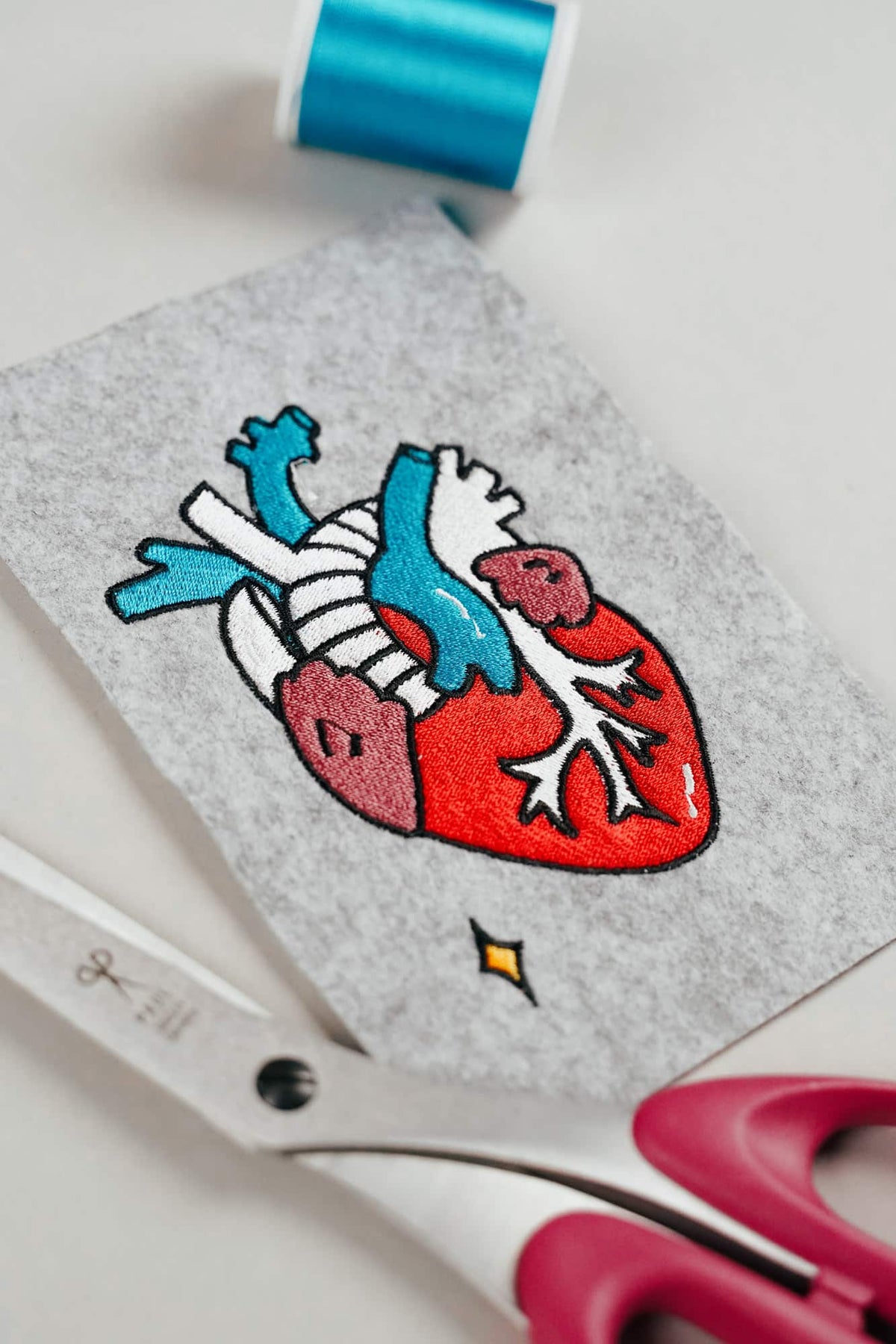
AI embroidery designs look great – but as embroidery files, they're often completely useless
AI images often look like perfect embroidery, but are frequently unsuitable as a template for a real embroidery file. We'll show you which mistakes to avoid with AI-generated motifs, how to formulate better prompts, and how to recognise well-digitised embroidery files.
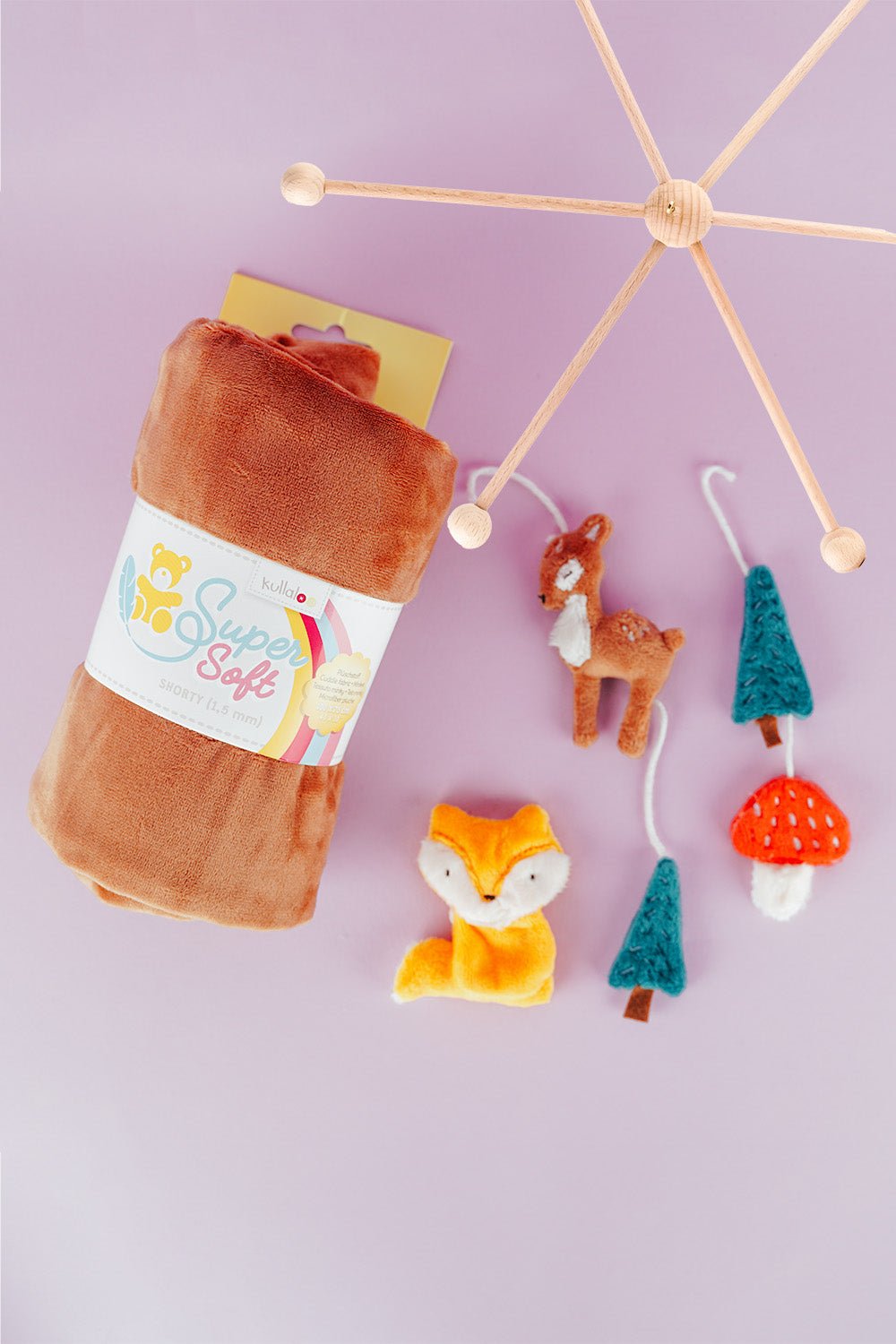
Embroider a woodland mobile: ITH ornaments step by step
Embroider fox, deer, fir tree and mushroom in a 10 × 10 cm hoop, then turn them into a woodland mobile or garland.
Read moreabout Embroider a woodland mobile: ITH ornaments step by step
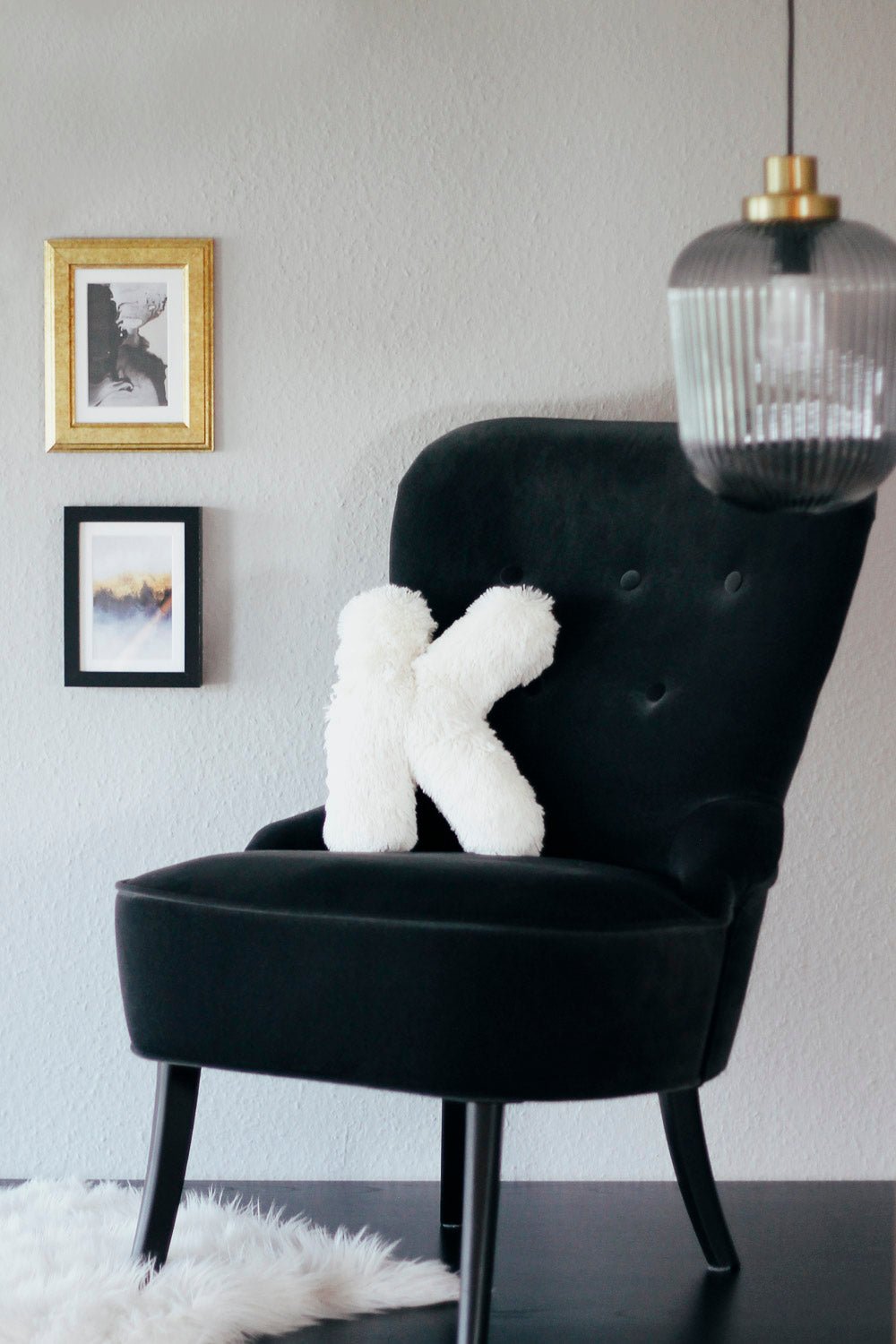
Sew an alphabet cushion: personal pillows from A to Z
Sew an alphabet cushion with neat curves, even filling and a hidden ladder stitch, using a digital pattern that includes every letter from A to Z.
Read moreabout Sew an alphabet cushion: personal pillows from A to Z
Split:
Embroidering your own soccer merch: An apron for the 2026 World Cup
BERNINA B 790 ULTRA review: features and upgrade decision